

A pen stroke on a clipboard takes two seconds, and a real conversation about surgical risk takes considerably longer. Costa Ivone represents patients in Chicago, IL who suffered harm after a provider’s failure to obtain informed consent before treatment.
A signature shows someone handed you a form, so our claims dig into what the provider told you before you agreed. We take cases involving a serious risk nobody mentioned, an operation that went beyond what you approved, or a procedure performed by someone other than your chosen provider.
"*" indicates required fields

Your surgeon may have done competent technical work, and you still ended up living with a complication nobody warned you about. You chose to accept that risk. A meaningful choice requires knowing the risks and the alternatives, and a form you signed minutes before sedation rarely gives you either. Our medical malpractice attorneys treat that missing conversation as a legal wrong worth pursuing.
We pursue compensation for patients who suffered harm from a risk nobody gave them the chance to weigh. Call our office or send us your consent paperwork and medical records for a free case review.

An informed consent claim arises when a provider withholds information a patient needs to make a real decision, and the patient suffers the very harm nobody disclosed. Proper disclosure covers three subjects:
Providers owe this disclosure before the patient agrees, in terms the patient can follow.
These cases rest on two elements. First, the disclosure fell below what a reasonable provider would give. Second, a reasonable patient who heard the full story would have chosen a different course. The defense usually contests that second element hardest. We answer it based on your circumstances at the time, including your health, your options, and your priorities before anyone knew the outcome.
We handle the investigation from the paperwork through the courthouse filing.
Consent disputes tied to gynecological surgery or sterilization go to our OB/GYN malpractice lawyer team.
One plan carries you from the first call to resolution. We begin with intake and collect the consent documentation and your full treatment record. An expert reviews what disclosure your procedure required and how the provider measured up.
We file with the certificate, and discovery includes depositions of the provider and anyone present for the consent discussion. Settlement talks come next, and we go to trial when no fair offer arrives. We lay out your options in plain language, return your calls promptly, and leave the final say on any offer with you. We advance expert review and filing costs under a contingency fee arrangement, so you pay nothing up front.
Gather the consent form, your discharge papers, and any notes from the pre-operative visit. Talk to Costa Ivone about what your surgeon should have told you, and we will review the records and explain your options at no cost.
No. The form proves someone collected your signature, and a standard sheet listing generic risks says very little about the conversation behind it.
A failure-to-obtain-informed-consent claim looks past the paperwork to three things: the chart note describing the discussion, when that discussion happened relative to sedation, and whether anyone raised the specific risk that later materialized. A form you signed on the gurney carries far less weight than a documented office visit days earlier.
Yes, potentially. Technical skill and disclosure are separate duties, and harm from an undisclosed risk can form the basis of a claim even when the surgery itself met the standard of care.
The claim falls apart when the undisclosed risk never happened to you, because Illinois law allows no compensation without an injury. We assess that question carefully before filing anything, so you know where you stand early in the process.
Yes, potentially. Consent generally attaches to a specific provider and a specific procedure, and swapping in another surgeon without telling you can breach it.
A team arrangement that your surgeon disclosed in advance stands on a different footing from an unannounced substitution. Patients sometimes call the latter ghost surgery. The operative note, anesthesia record, and staffing logs show who held the instruments, and those records tell us what you experienced.
Considerably. A patient who cannot follow the explanation never received meaningful disclosure in the first place. Hospitals generally have a duty to offer qualified interpreters and should avoid leaning on family members to translate medical risks. Interpreter services leave a paper trail, and a chart with no record of one becomes evidence in its own right. We request those logs early.
Consent covers what you agreed to, with a narrow allowance for an emergency that arises mid-procedure when waiting would endanger you. We examine three questions in these cases:
Surgeons who extend an operation for convenience, with no pressing medical reason, often face a valid claim.
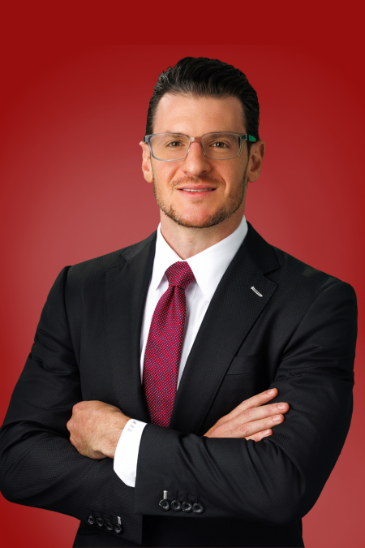
Anthony L. Ivone, co-founder of Costa Ivone, LLC, is an expert in personal injury law. Known for his aggressive representation and compassionate client care, Iván…
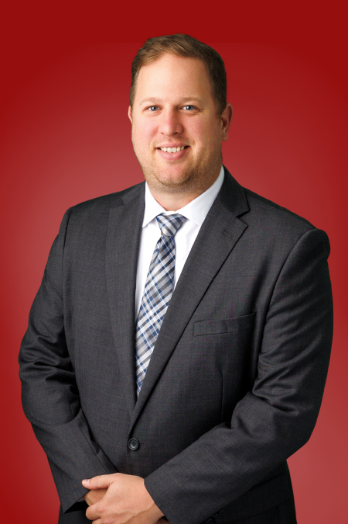
Jordan R. Browen has dedicated his career to fighting for the rights of injured workers and has successfully litigated numerous personal injury cases in Elgin.co-founder of Co…
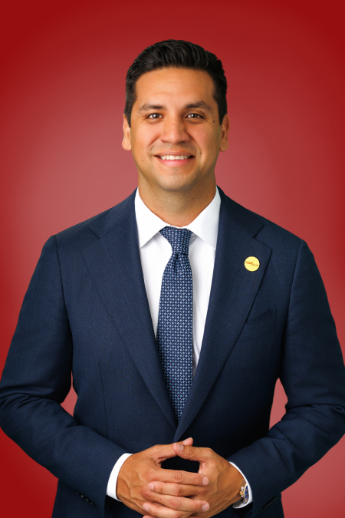
Julio A. Costa is a co-founder of Costa Ivone, LLC, bringing a wealth of experience to the firm. He specializes in personal injury and workers’ compensation cases…

Stefani Perez focuses her practice on representing injured individuals, including those with personal injury and workers’ compensation claims. She provides diligent and focuse…
BICYCLE ACCIDENT
ELEVATOR ACCIDENT
COVID WORK INJURY
WORK INJURY